
Within my city in the US a rumor had spread about the government picking up all the trash for free in order to “cleanse” the city and start fresh. Thousands of citizens lined the streets with their junk until it piled high. With stacks and stacks of unwanted furniture, trash bags filled with clutter, and broken machines perched in their front yards, they were excited to finally get rid of it all. When the news revealed that it was a mistake, it was time to bring all the waste back inside which of course didn’t happen. For over a year the junk was rained on and spilled onto the streets and only until the government threatened the citizens with heavy fines they reluctantly put the rotting things back inside. So what happened here? All had overlooked the reality of the situation. People consume and consume unaware that in the end it must all go somewhere and most isn’t biodegradable. The citizens had no proper place to put the trash that needed to be broken down, recycled, and reused because they lacked the proper facilities for disposal not provided by our government.
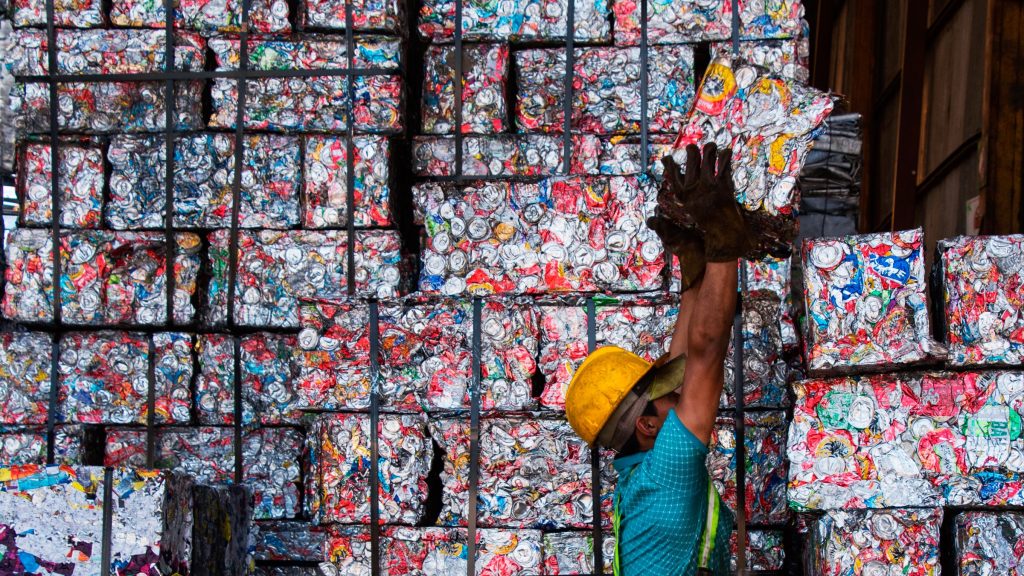
Recycling. Everyone knows about it and that it’s the best weapon against all the trash we have, but what’s being done to make sure it actually happens is where it the world has failed. In order to understand the weakness in such a system, first we must observe the countries who are doing things effectively and compare them with our own. Germany is the most resourceful country ranking at around 68% of their waste is recycled. Japan, and currently where I live ranks at 12% while the US is only around 2% or less. But just because a country is recycling their waste does it mean they don’t need to change? Not necessarily. With a continual growing population the trash too will continue to grow and we need to be prepared.
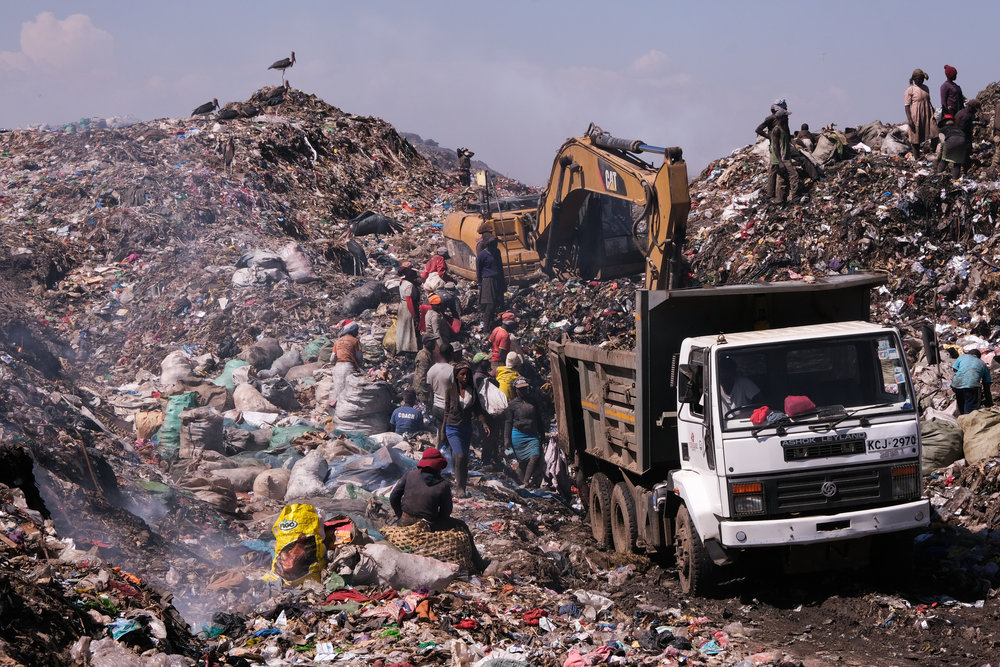
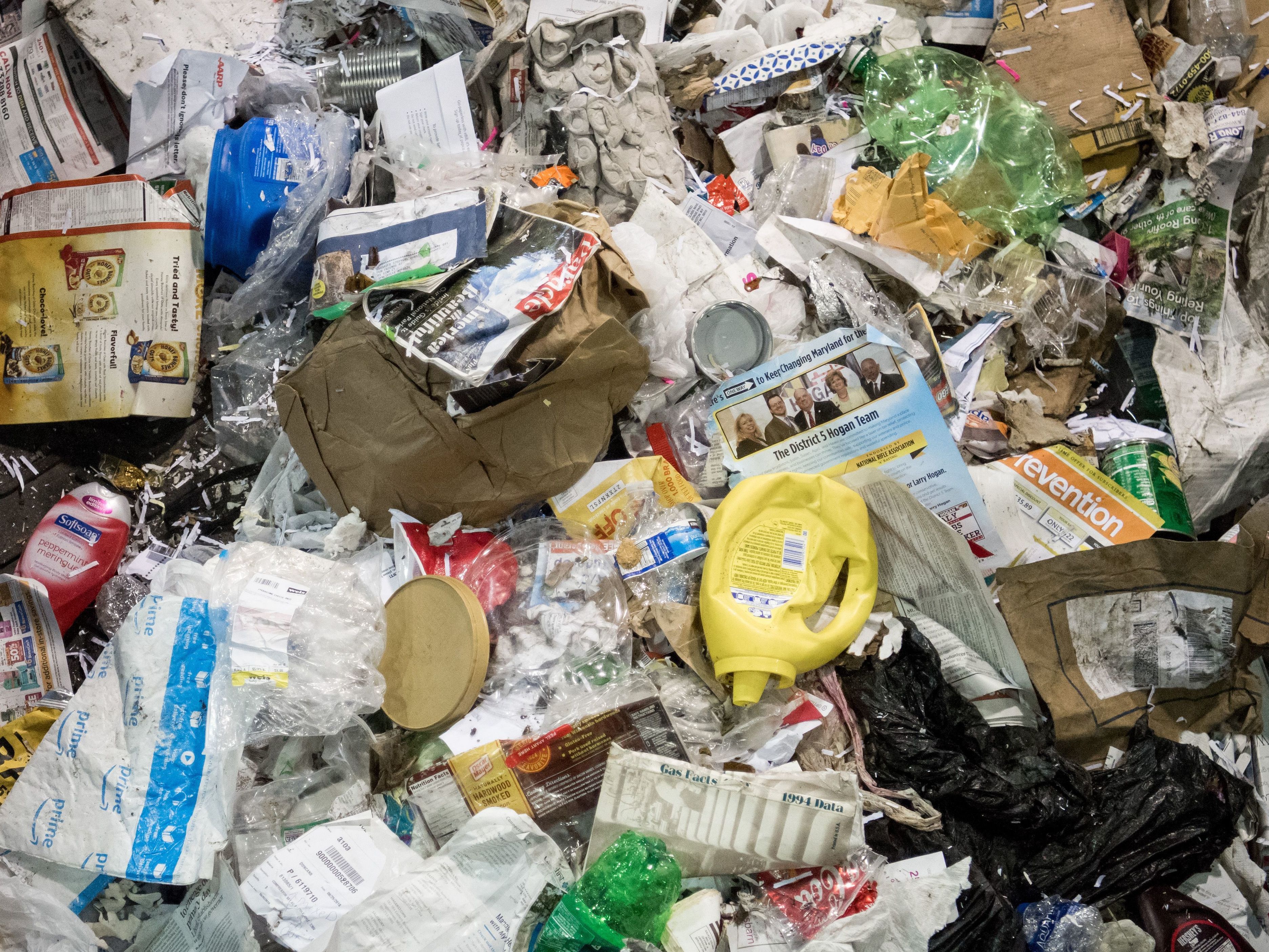
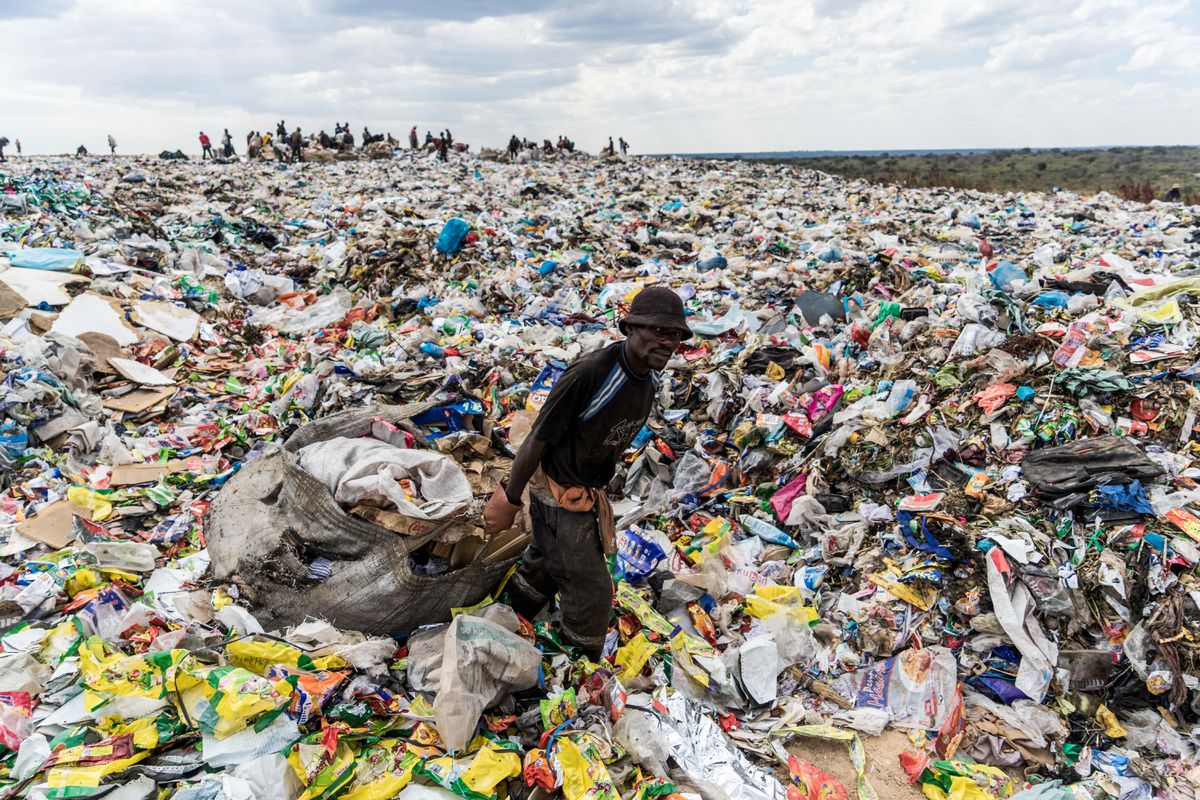
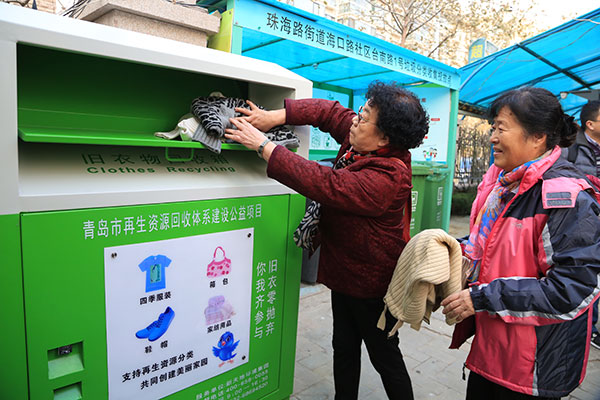
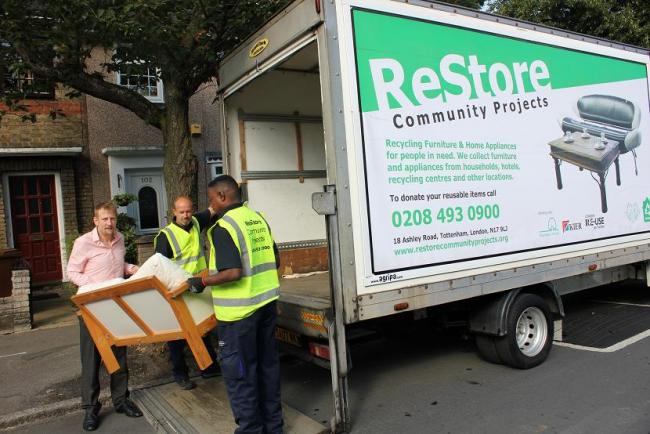
First looking at my native land the US their recycling systems barely exist and most are unaware of how we recycle. Let me introduce you to the dumps which other countries have too. The least efficient in recycling, all waste is taken to these places and then dumped into a pit to be buried creating literally a mountain of trash that is slowly burned away or decomposed. It’s not sorted between biodegradable and hazardous. It’s just covered and forgotten about at least until the repercussions come back to taint the lands. Then there are the dumps where people drive their large furniture and appliances to a place where they pay a small fee to get rid of it. If the state is lucky, they have hired sorters to sort the good and bad and maybe just maybe it can be sold for parts. The rest is gathered and shipped to China and India for sorting and recycling. What was promised to be recycled overseas is instead put into their own trash mountains and not properly recycled as promised. This is no solution but a temporary escape from our recycling responsibilities which only gets worse with time. There is no compost of food, proper containment of batteries (in most cases), or sorting system that is put into place in the US although sometimes we have a can and bottle recycling facility but they are rare to find these days. That’s not to say as citizens we don’t recycle at all or don’t want to recycle. We are fighting all the time against our government for a better system. Small and large businesses have converted to paperless companies cutting down the paper waste considerably. Surprisingly we recycle clothing rather well compared to what I’ve seen in other places. We know the value of what we own and so we duct tape our shoes and bags to keep them lasting for a few more months or years, clothes are sewn by hand, socks are patched together and holes mended (yes we still do this ancient technique), they are turned into dust and cleaning rags, and some factories have taken in the fabrics breaking them down and spinning it back into useable threads. We have thrift stores/ recycle stores but if you’ve ever been in one you know most of the clothes are already well loved by us American folk.
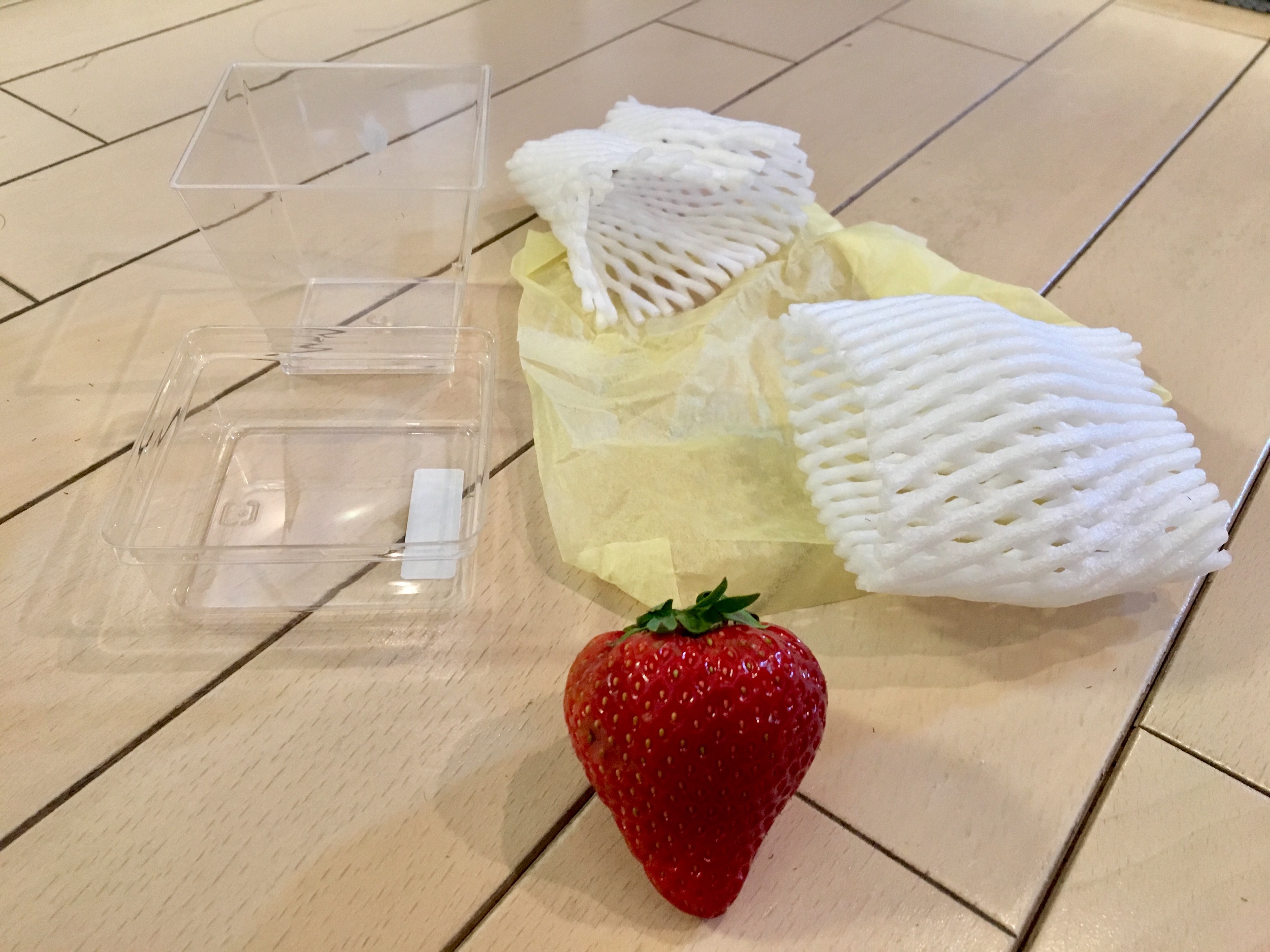
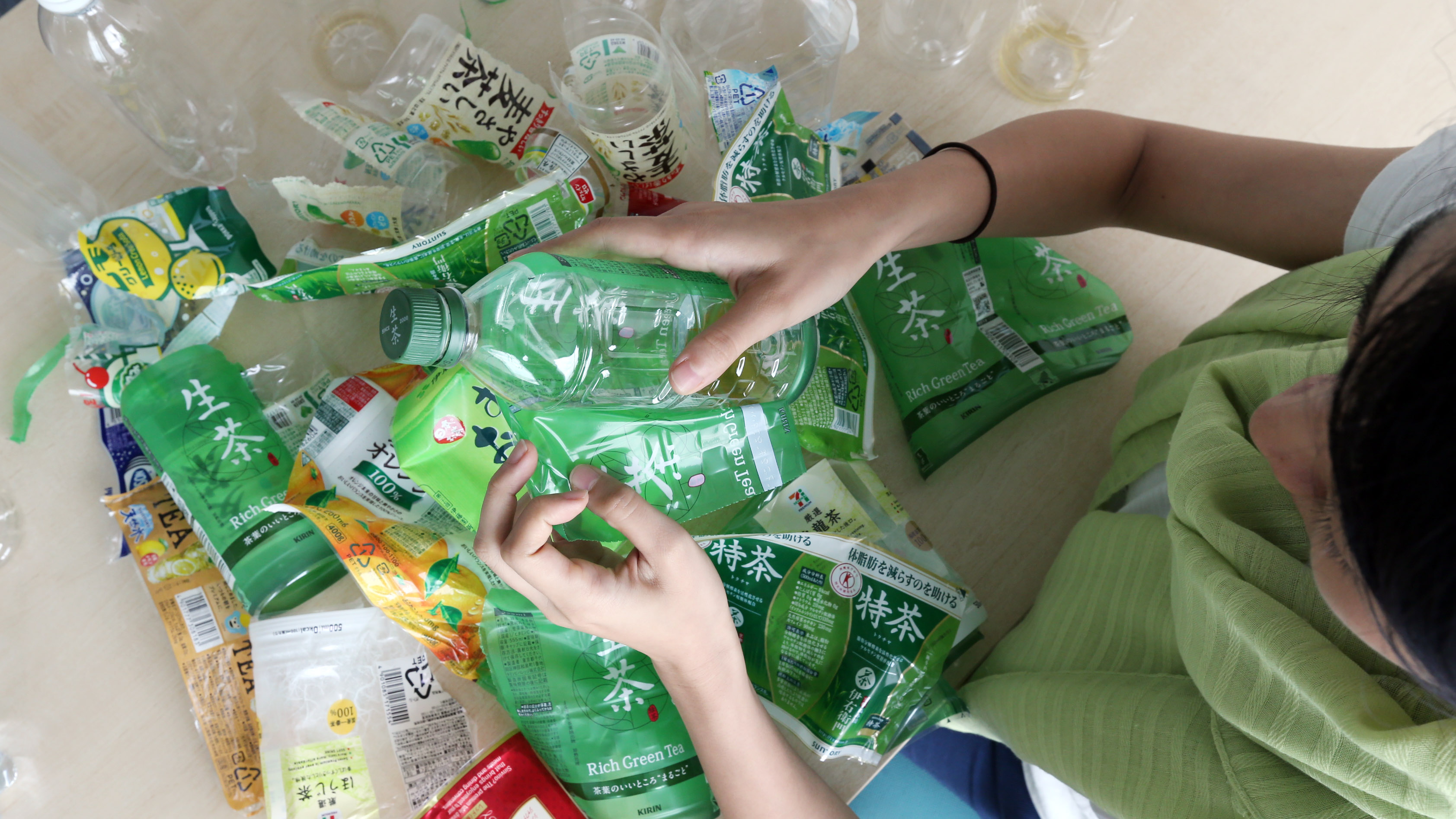
America may not have the best of systems so let’s look at a country we all know to be organized and most famous for being clean in the respects of their culture and lands. Having lived in Japan almost 3 years I’ve learned the benefits and glitches in their recycling system. They have recycling collection on certain days that can recycle bottles, cans, glass, burnable, and hazardous materials. In fact, their system is almost identical to Germany’s but the set back isn’t in how they recycle but the overall consumption of waste products and their packaging far outweighs what they can recycle. Never before have I seen so many paper pamphlets, printed on paper with useless notices and advertising, and packaging within packing within more packaging. How can you recycle it all if it’s being produced beyond the level of normal usage? Whilst they recycle plastic bottles, most plastic waste from packaging and bags are not recycled and are instead thrown into the burnable. Just like some states in the US they have made bagless shopping a new rule in some cities, but packaging still remains as the main hitch in their recycling plans. So let’s next take a look at the world’s leading boss of recycling, Germany.
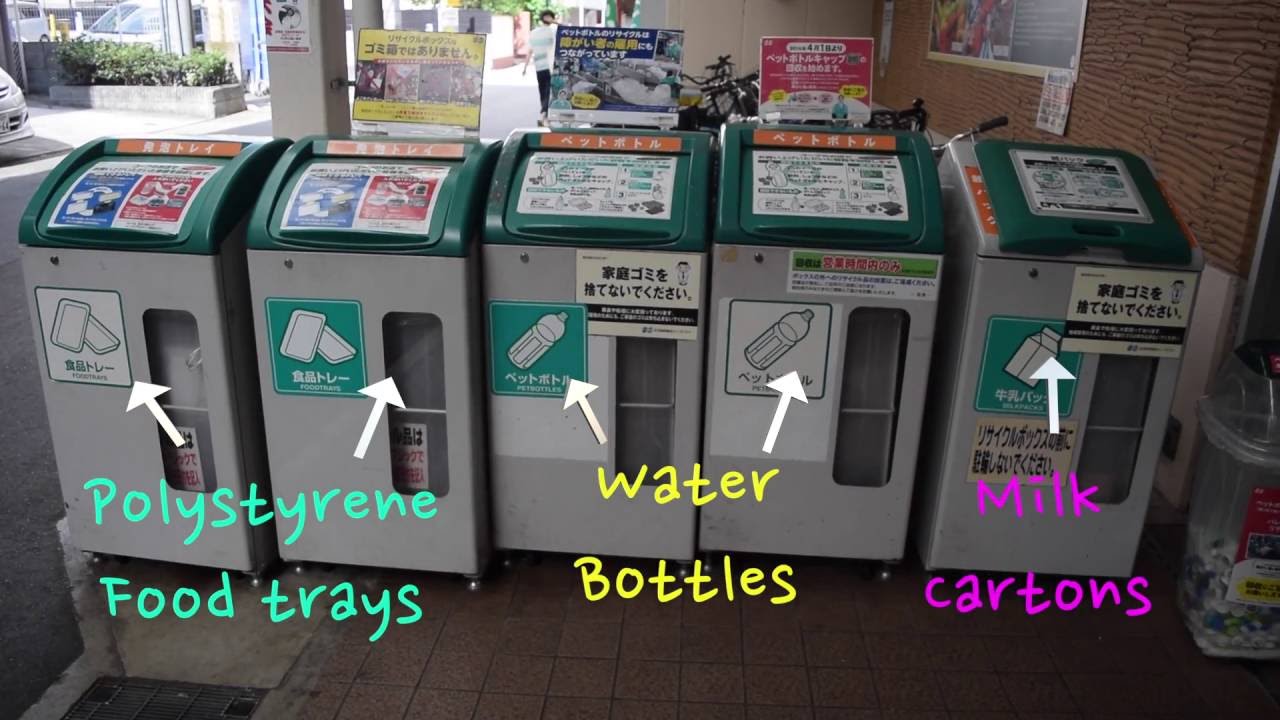
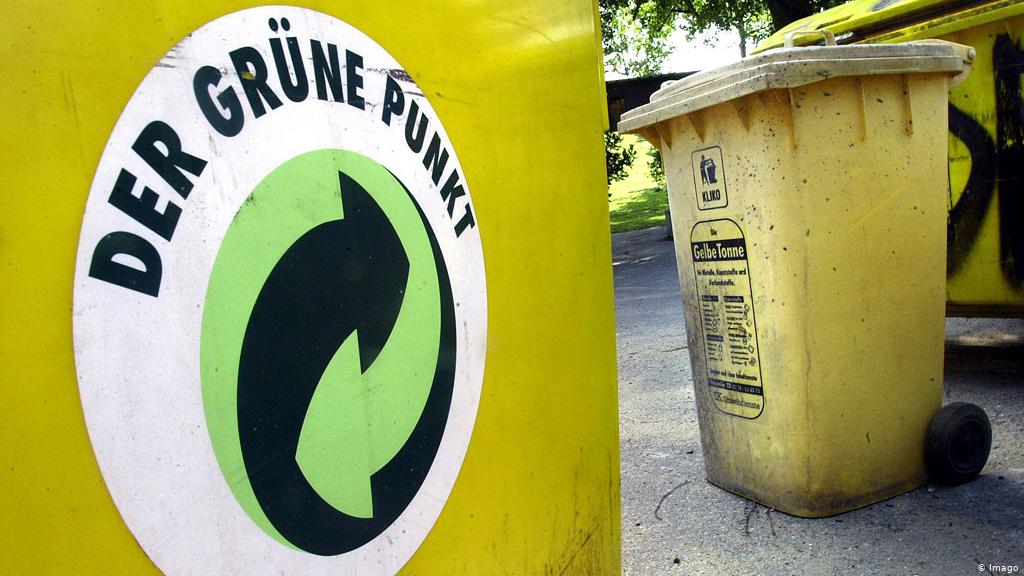
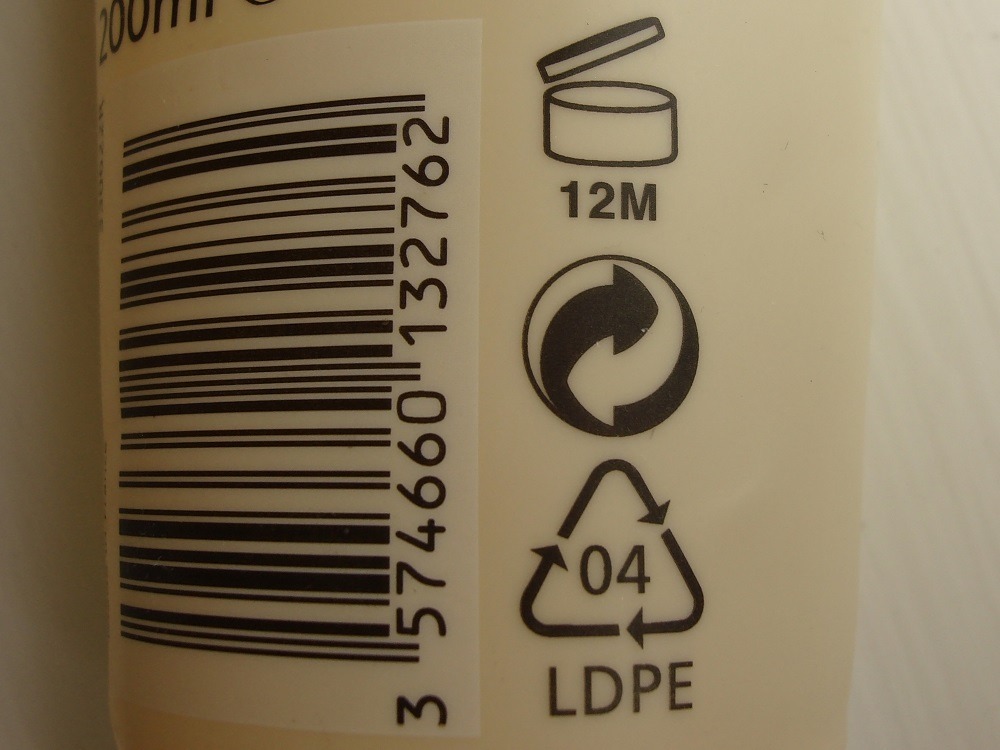
So how is Germany doing so well? Just take a look at Germany’s Green Dot System. Here’s what you need to know. The Green Dot system affects the companies producing packaging by charging them a certain fee for how much packaging they use, providing the citizens a way to recycle it, and charging the cost of the materials being used depending on their ability to be recycled. Because of this, the companies have sought out ways to make packaging less, thin, and more cost efficient cutting down the amount of waste Germany produces, but that’s not all. Citizens must sort their trash before throwing it away just like Japan, but instead they use an easy to understand system. Everyone can understand color coding no matter which language you speak making it friendly for foreigners living abroad too. Each trash bin is color coded for the type of trash that goes in it ranging from paper, glass, metal, bottles, and other. The biodegradable waste which can be put back into the earth has its own special bin and will be used as fertilizer or incinerated into ash if necessary. Other large items that are still good are taken to the local flea markets or sold in used stores. The system takes time for everyone to adjust to and Germany is still making alterations to improve it, but once it’s set into motion and if everyone took responsibility to keep things clean then the system would benefit all.
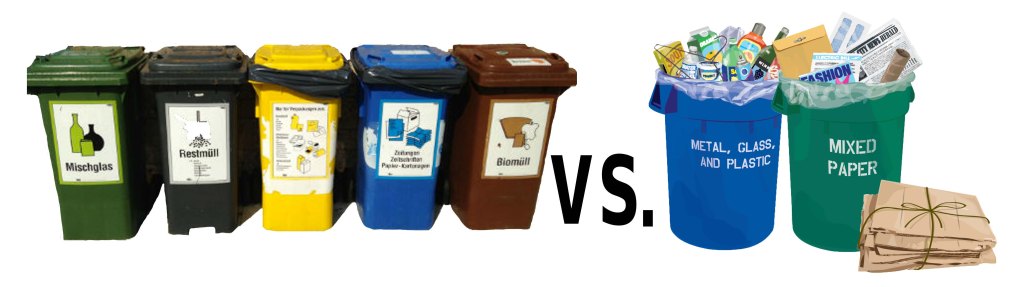
Japan too has the same system as Germany but what makes their percentages so vastly different? Besides packaging, they don’t have the Green Dot System to make companies responsible for the packaging quantity. Companies are allowed to package their merchandise with only aesthetics in mind. Their excessive use of packaging cannot maintain the balance of their recycling system and so it’s not as effective as it could be. Consumption is just as important as production when it comes to lessening the amount of waste in a country. Even though Japan’s system has a few hitches at least their country is going in the right direction unlike the US which still has a long way to go in adopting any type of system that works well. Only the citizens are partially to blame but the government not providing the system to do so is where we fall short. So what can we do as individuals and how is there any hope in fighting this if we don’t have the resources?
Recycle what you can. If you have the opportunity to use the facilities created to recycle do it. Recycle your clothes and turn them into something else. Think about the use of an item before you throw it away. And most important of all buy less of the things you don’t need. Less consumerism means less waste produced. Reach out to others and spread awareness or if you have the power to continue down this path find a way to open recycling centers in your areas that can lessen the amount of waste we produce. Government and politics can get in the way of recycling because it’s not a business and costs money to employ and keep the facilities running. If it doesn’t make them money they won’t budge in changing the system. Don’t let them stand in the way of making the world filling with less waste just because its not profitable.
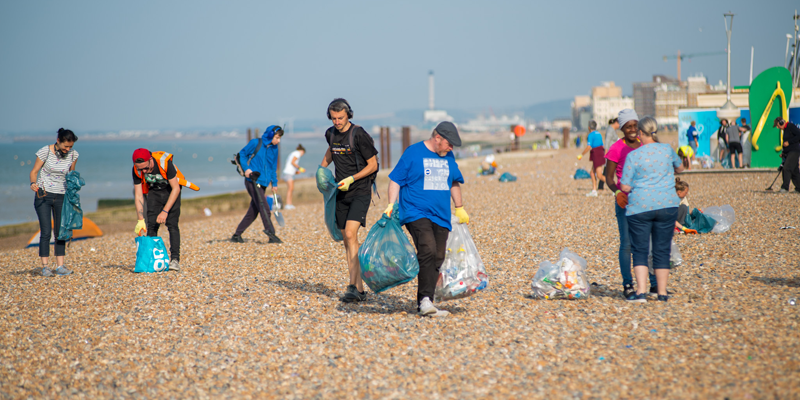
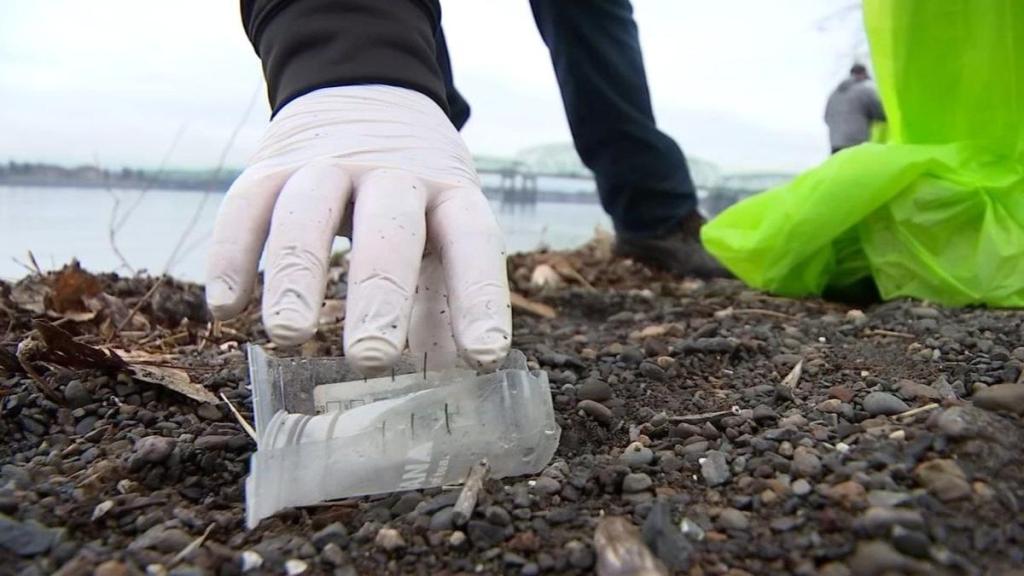
I encourage you to write as I have done and submit it to your city’s council and government. Give them a proposal for how to fix the problem. The more who reach out with such a concern the more likely our voices will finally be listened to. Recycling causes no harm, but instead fuels the economy by providing jobs for needed sorters and holds the companies responsible for the own waste and overuse of packaging. No matter what country you live in take care of it. Spend the weekend walking around and pickup trash around your neighborhood or even as much as picking up that rolling can beneath your feet. Every action whether large or small makes a difference.
Search for more articles below!















 Beauty Bomb