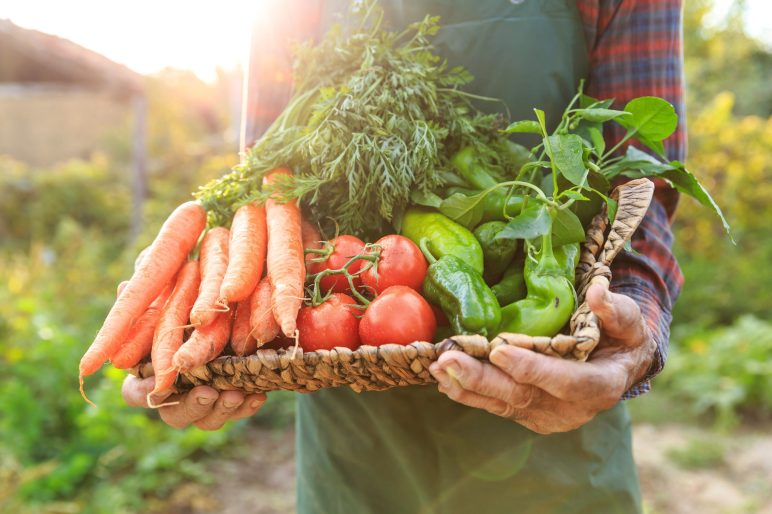
Food. A nutritional source needed in order for the human population to survive, but what if that source was tampered with? Made of plastic? Integrated with building materials and other inedible sources? That’s exactly what the world is facing today and it’s spiraling out of control as the demand for food production increases. With the temptations of money and cutting corners, food all over the world is being integrated with fake and hazardous ingredients so that they look and taste the same, but are cheaper to make.
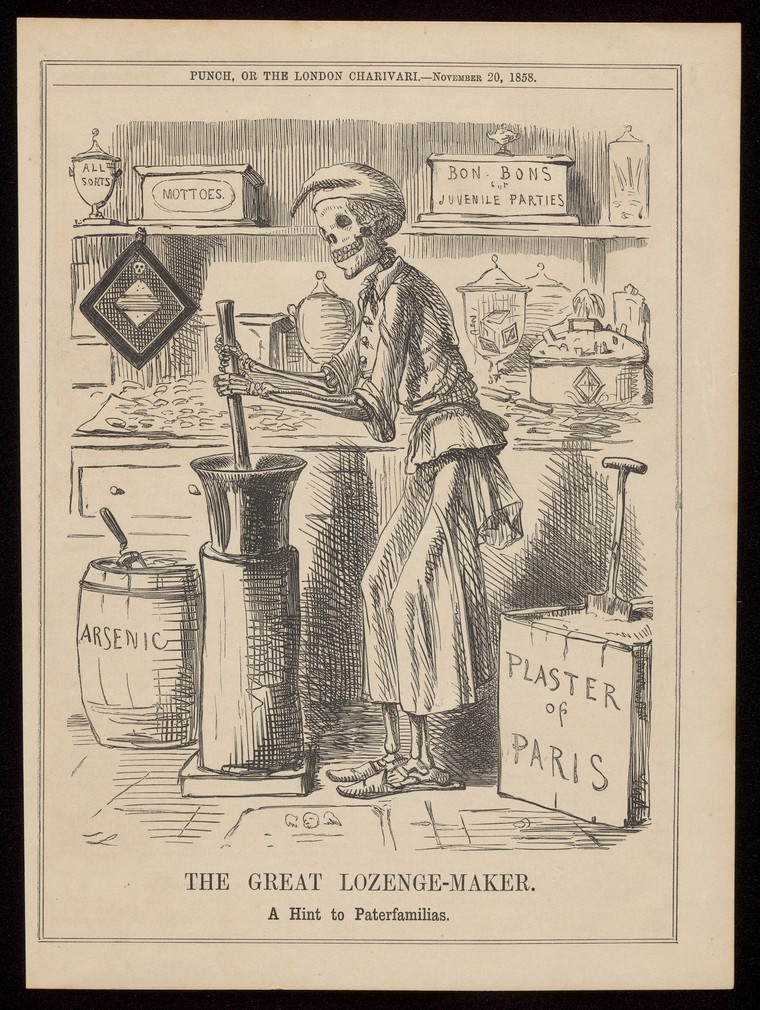
Did this happen within only a few years? I’m afraid not. Throughout history, especially during the Victorian era, people were integrating plaster and hazardous chemicals into bread and milk to make them last longer, look prettier, and of course to grow a large profit. People’s health plummeted over time and the amount of deaths rose. Although everyone was aware of this heinous trend, it took a long time to halt the tampering of these goods and now they’re back once more but in a form far more dangerous than before. With the science and technology we have today it makes food harder to distinguish between what’s real and what’s completely fake. This raising awareness is about the endangerment of the human race poisoned at the hands of their own kind. Broken down into three categories of “poisonous” food types that are appearing currently in our markets, please be aware that perhaps there are even more varieties we are yet unaware of. To end this article, I’ve also added the bonus awareness of “beauty and fad foods” so please read on to grow awareness.
~ Alternative Food Substitutions ~
An alternative food substitution is when a partial amount of the real food is blended with a cheaper alternative ingredient. While this may be the least destructive in food alteration (depending on what’s added) it can still play a large role in our overall health and trust in the food market. Let’s take a look at a few examples to familiarize ourselves with what it is and how easily it can be found in the markets.
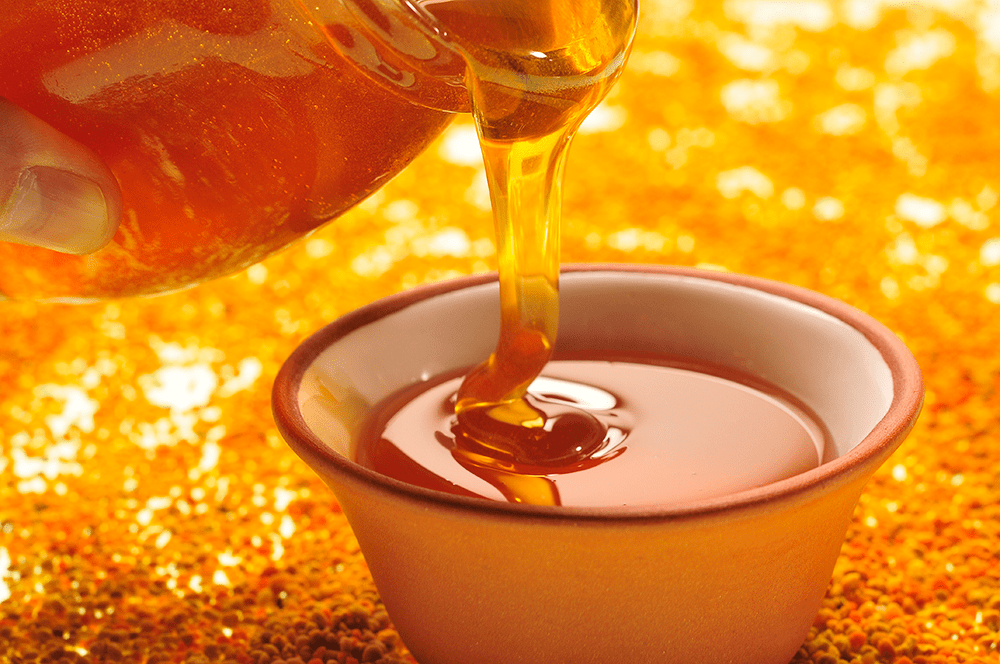
Sugar based “honey” ~
Products such as honey can be created purely from corn, rice, sugar cane syrup and flavorings. It seems harmless when sold but you’re paying money for a product that isn’t real and the properties of natural honey such as anti inflammatory qualities, local pollens which lessen allergy symptoms, and antimicrobial benefits are almost nonexistent in the sugar based honey. To avoid this kind of honey look at the label for where it was produced as China is the leading country to produce fake honey (local honey is best), if its texture is thin and almost transparent its been tampered with, and sometimes the taste will resemble pancake syrup instead of the usual overly sweet natural honey taste.
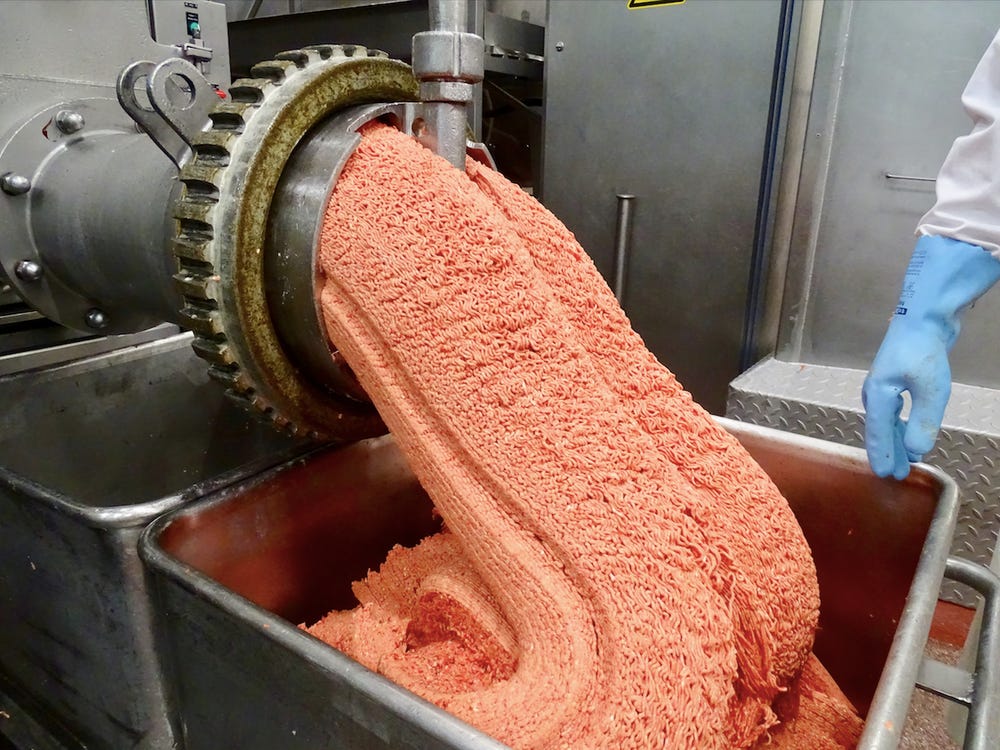
Fat trimmings & organ filled ground beef ~
If you can’t see it, you don’t know what’s in it. For years soy fillers have been used in meat to create a cheap blend. Not only are you paying the same price for the meat as regular whole meat it can’t be proven to what’s being blended inside or counted as meat products (fat trimmings, cartilage, bones, organs, blood vessels, etc. from various animals) could easily be ground with the regular meat. Cases where factories use ammonia to “kill bacteria” have also been approved and then disapproved by the government including places such as the US. showing that the alteration of these meats with chemicals are possible and not under our control as the consumer. Also various preservatives have been found inside the meat to extend its shelf life and give it edible looking color before it’s sent to market. While not all ground beef contains this, it’s certain that a large percent of these factors are hidden in meat that can’t be recognized or are approved without our knowledge. This doesn’t just involve meats at the supermarket but those served in fast food chains and restaurants. Sausage is no doubt under the same category.
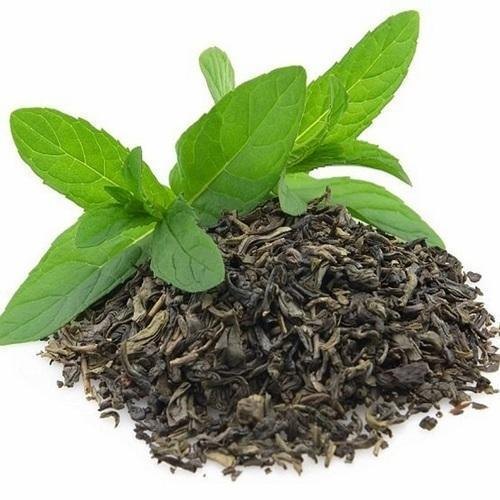
Reused tea ~
Hard to prove yet still slipped into the market, tea is enhanced with additive dyes and flavoring to hide the fact the leaves have already been used before you purchased them. Leaves can be used for factory made tea, dried again, and then sold on the market in tea bags. It’s difficult to check the tea for these consistencies so purchase through a trusted high quality brand and if the tea tastes weak after steeping for a long time (unless it’s an herbal tea such as chamomile, etc. which is naturally a weaker tea) switch to another brand just in case.
~ Alternative Caustic Food Substitutions ~
Alternative caustic food substitution is when a partial amount or sometimes the entire food is replaced with other look-a-like products and chemicals.
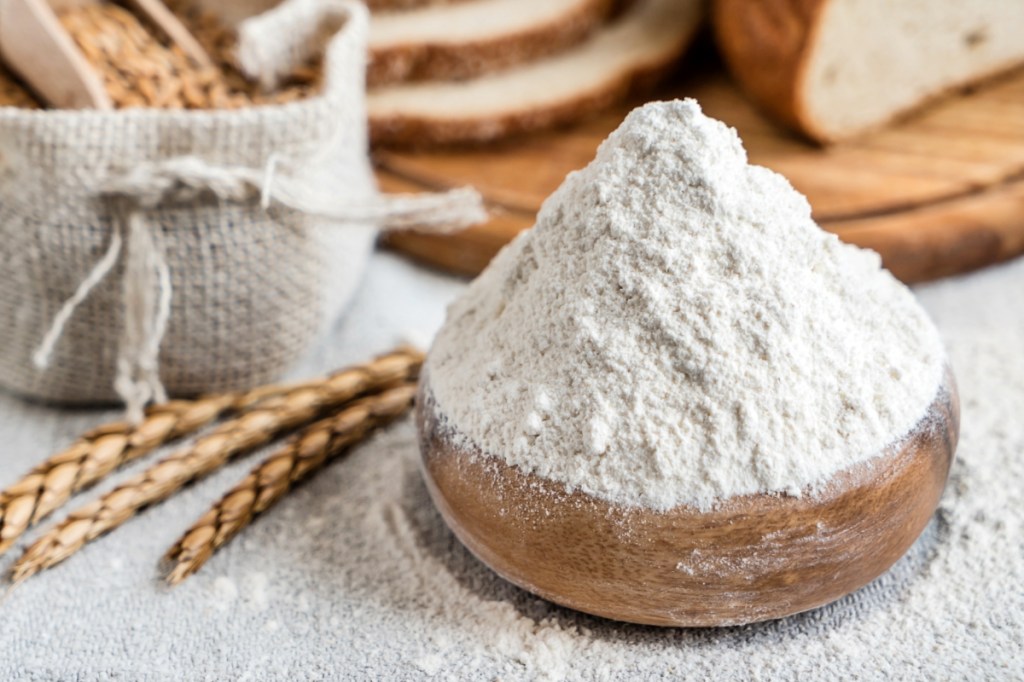
Alterations in flour ~
I’m an avid baker and after handling real flour I’ve learned to discern when something is wrong when living overseas, but with those who have never used real flour how would they know the difference? Recently, walls have been broken down in poorer countries, ground to a fine powder, and blended into the flour just like the old Victorian days. What one country defines as illegal doesn’t necessary mean another will justify or stop making it in their own country. Flour can be bleached with toxic chemicals and then later blended with synthetic vitamins to make it nutritious again. The world wonders why so many people are becoming gluten intolerant? Taking a look at the process of bleaching and you’ll realize your flour may be made of 100% gluten giving it that snowy white color and weightless texture. After consuming so much fake flour the intestines naturally fight against it because its too hard to digest properly. Look for flour with an almost brownish tint to it. Purchase unbleached flour and do research on the brands you purchase from to find natural flour that is healthy and not overly processed.
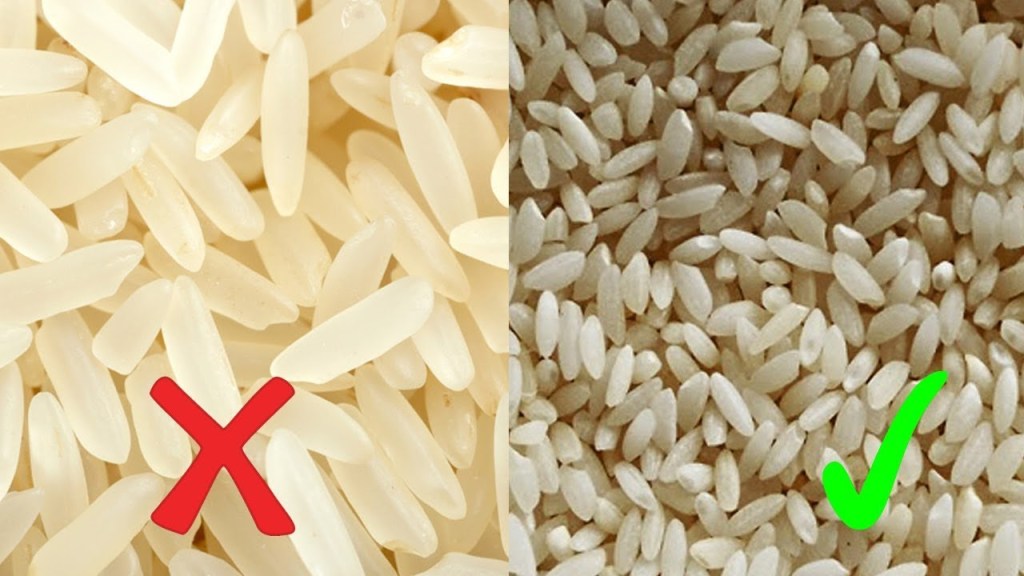
Plastic rice ~
Consumed all over the world as a staple food rice has been replaced with plastic. It’s everywhere and cheap to turn into a food. Blended in it’s almost unnoticeable. Places like China sell it to overseas countries and even their own lands and countries like America, Jamaica, and others have completely ceased the importation from China because of the amount of fake rice they have been selling. Unfortunately, other goods are still slipping through especially to countries like Japan where they are much closer to the trading routes. Check your labels for where it came from and see whether it’s being tampered with by checking regular updates online about fake foods.
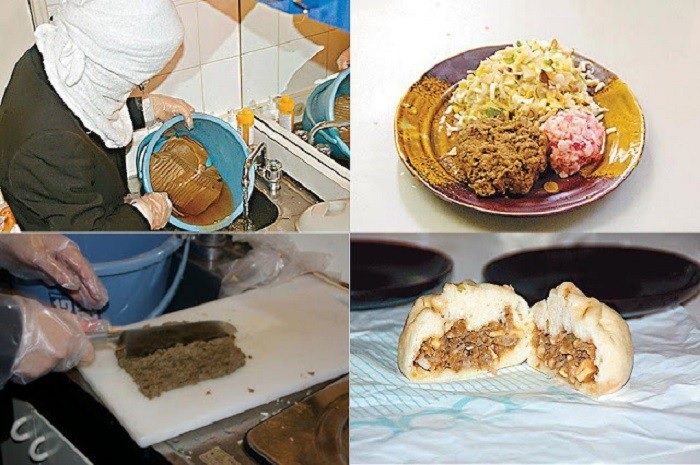
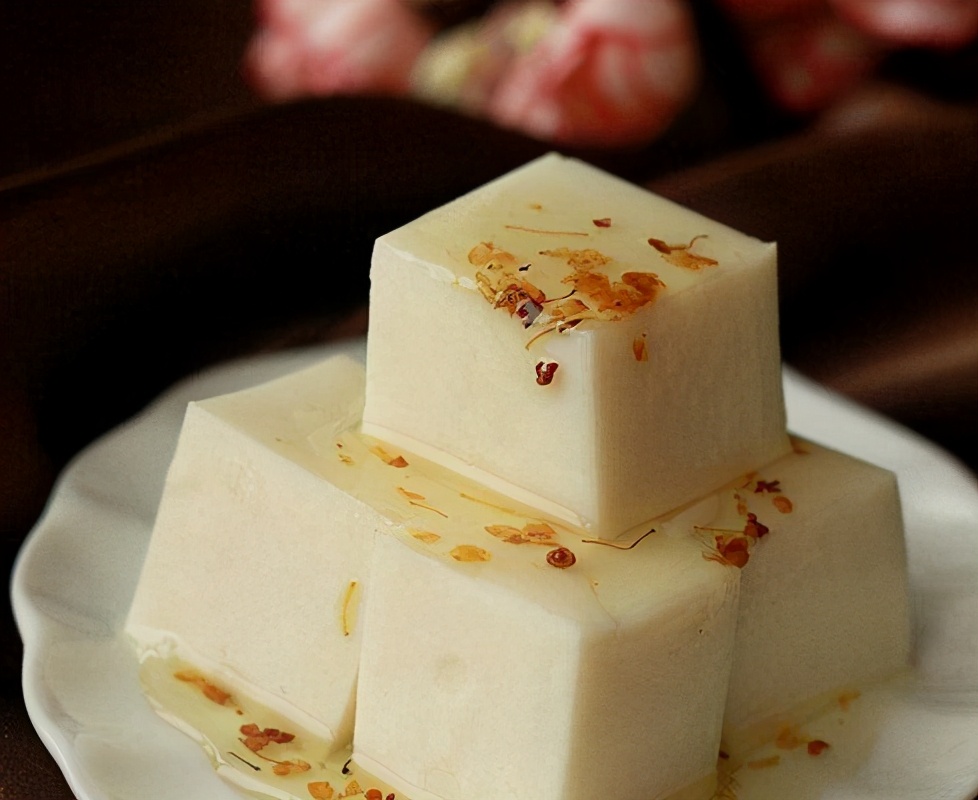
Paper tofu and cardboard steamed buns ~
Ah yes that cardboard box you use to store your shoes has now become a staple food source. Broken down with caustic chemicals its ground up with meat and sold in steamed buns on the markets of China. Paper pressed into tofu squares and flavored with the taste of tofu have also been found, but there’s more to fear about your next bite of food as we step into the world of technological and scientific advancement in the food industry!
~ Chemical Alterations in Food ~
Chemical alterations in food is when the natural construct of a food is mimicked using a completely different material (mostly lab grad chemicals) to produce a very cost effective product out of recycled chemical waste.
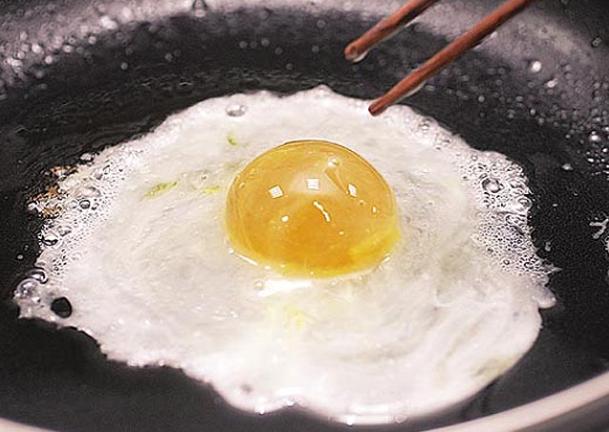
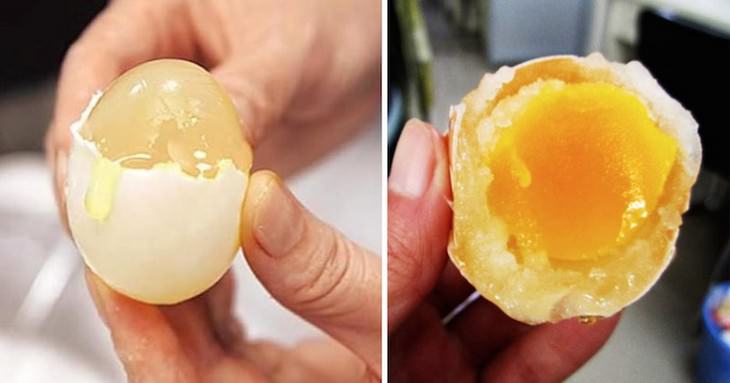
Fry and die ~
Fake eggs have been created in China and imported overseas to India. They are struggling to rid them from their own markets, but they are crafted so well its hard to discern between fake and real. Made from resin, starch, brown algae and a long list of toxic ingredients the only way to tell is that they have no smell and are shaped too perfect to be true. Appearing in the 1990’s they are still being sold today forcing their way into other countries as a cheap means to make a profit.
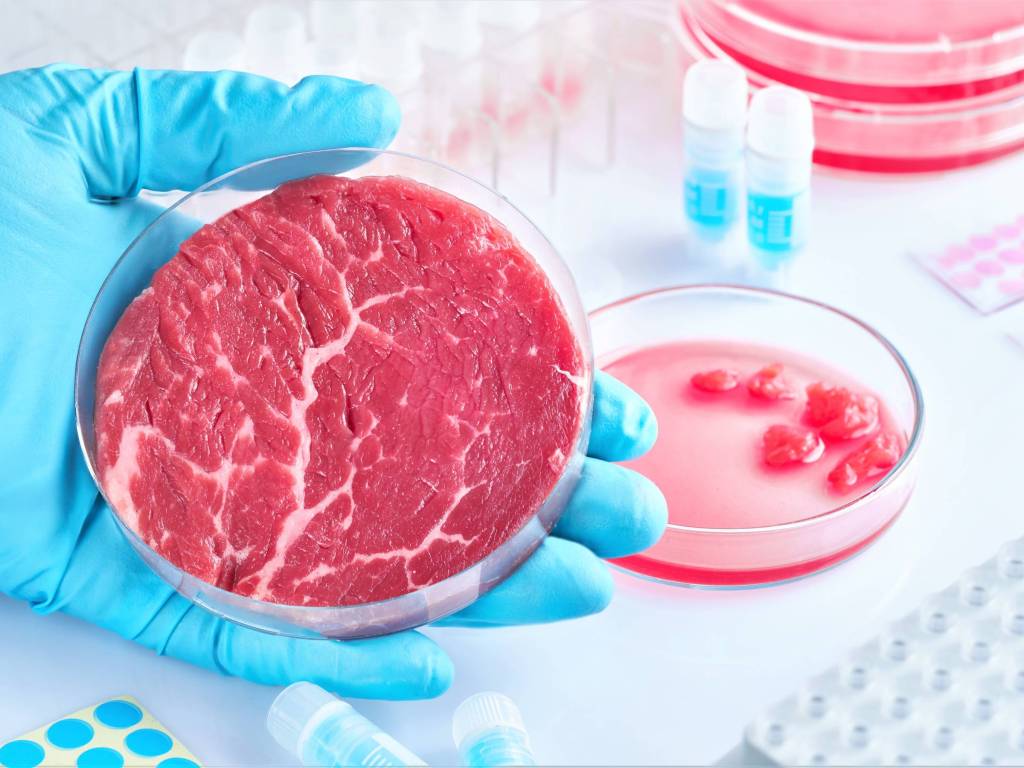
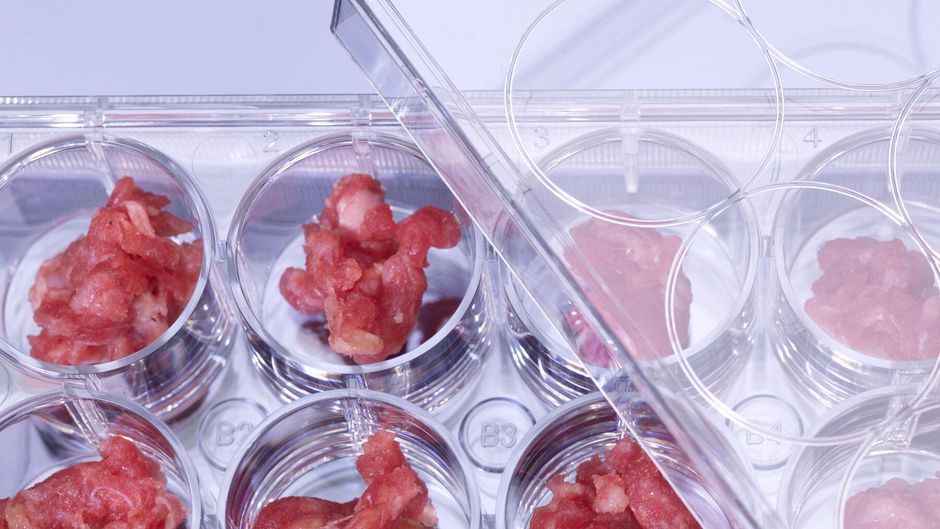
The edible Frankenstein ~
Lab grown meat is most likely not on the market yet. Scientists are trying to grow our meats from tissue samples, soy based products and petri dishes to save animals, but when they are saved do humans have to pay the price? Unknown factors contribute to those willing to consume this product and it’ll be impossible to tell the difference if they slowly begin replacing the real for the fake. Let’s just hope they don’t succeed in sneaking it into our markets. I’m all for a good square of real tofu as a protein alternative but perhaps this one is just too much for me to believe in.
~ Beauty & “Fad” Foods ~
Beauty and fad foods are hyped up through media, news, and just about everywhere for their extreme health benefits and miracle cures. The original ingredients aren’t tampered with but there are mimicked goods on the market which are fake or have alternative food substitutions. Most hyped up food is sold for expensive prices and the claims are always unproven with little or no scientific explanations. No proof? Most likely fake facts. While the food itself may be harmless to consume don’t waste your money on their fake claims looking for a short cut for a slimmer body or youthful skin and spending outrageous prices for exotic items just because it’ll make you seem richer in society. It may not be harming your body but take a look at what it’s doing to the environment.
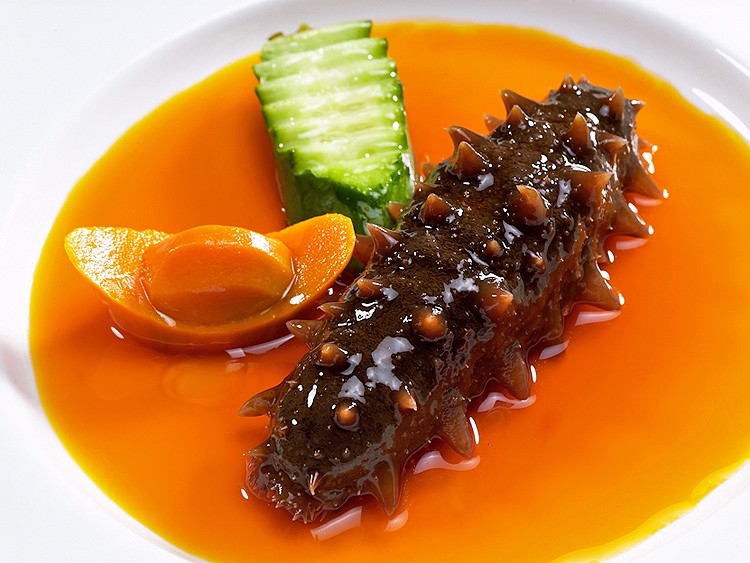
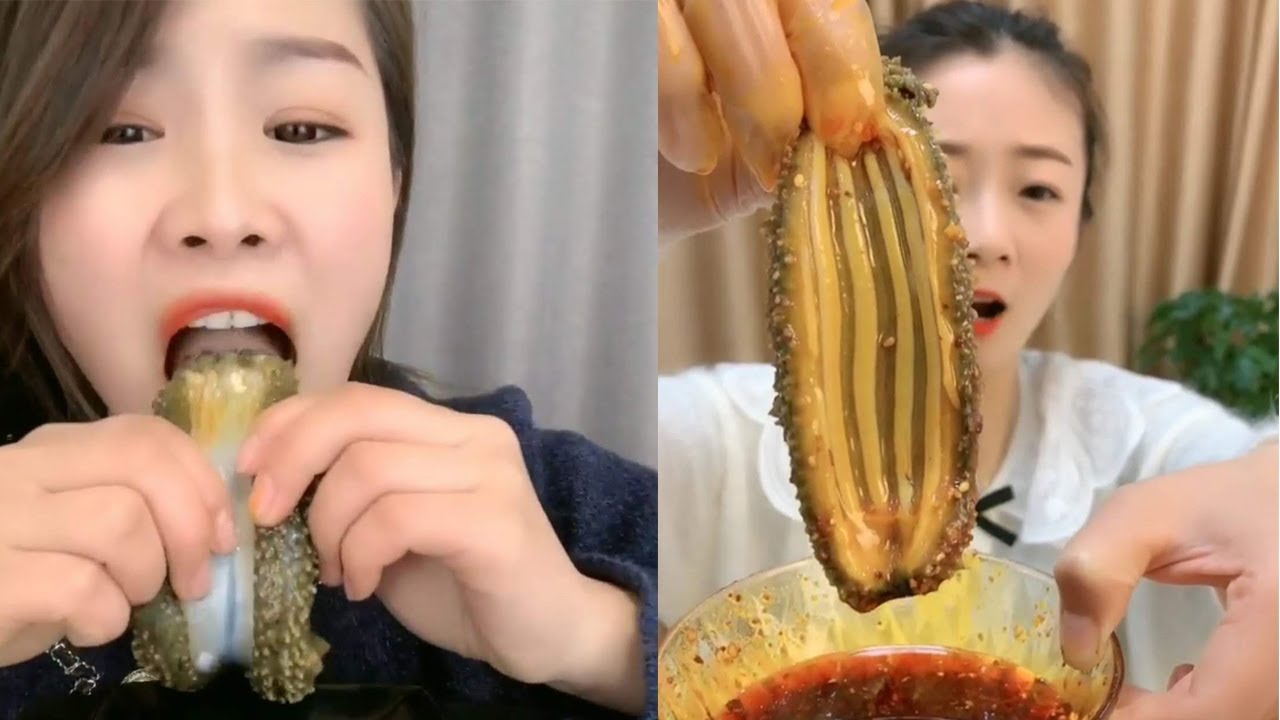
~ Sea Cucumbers ~
The worms at the bottom of the ocean are being consumed faster than they can grow. The more beautiful the sea cucumber the higher the price a client is willing to pay. Feeling like a queen or king they eat this animal because it gives them nothing more than temporary status in their society. Eating because it’s rare and luxurious and claiming the taste is exotic. It’s not necessary for human’s survival and there are no proven scientific facts that it indeed extends your life or gives you more beauty. Once the sea cucumbers are gone humans will move on to destroying the next animal for their selfish pride. Think before you buy and ask if it’s worth the price the animal has to pay.
Not just animals are being affected by trending eating habits but the soil and plants too. Taking a look at the increasing amount of demands for coconut oil and the claim it’s much healthier to cook with than other common oils, the pressure is rising for famers to produce what they can’t grow. Other claims you are probably familiar with is that it’s good for your skin, oil pulling on your teeth is a miracle to lift stains, massage and soaps infused with the oil to enhance beauty, the claims are endless. Quite the opposite for your healthy, coconut oil is high in its fat content compared to olive oil or canola oils making it the least healthy to cook with or to eat.
Trending beauty foods are hazardous to the planet when the demand becomes too heavy for the environment to handle. Do you research before falling easily into the beauty fad trap. There is no short cut to maintaining a healthy body by consuming a miracle product. Think before you buy.

How to eat smart?
And so it comes down to the most important question of all. How can we possibly eat anything in such an unsafe money hungry world? And how can we lessen the pressure we put on the environment to meet our demands?
When travelling abroad always be aware of what you eat. Try and stick with food you can recognize or cook your own raw foods if you can. Talk to the locals and they’ll know what’s safe and are more than willing to help out a foreigner. I was saved many times in Japan by the locals to avoid fakes sold on the markets by China. ありがとう!If it doesn’t look, smell, feel, or taste right, don’t eat or drink it. In your own country, check the list of ingredients on the back, which country it comes from and the news of fake products online. If the ingredients aren’t listed or like in Japan where the ingredients simple state “made of cheese” for cheese products don’t buy it! Cheese isn’t made of cheese. Also be aware of trick words in advertising such as “like honey, honey derivatives, derived from honey, contains honey, tastes like honey, 50% honey, etc.” Sticking to ingredients you can easily identify is best but who doesn’t love a delicious donut once in a while so just don’t consume as much of the processed foods or find a way to cook it yourself. Items that can easily be tampered with are things you don’t cook yourself such as breads, milk and other drink products, ground meats, processed foods, ground up ingredients like flours, spices, and teas. Be aware of current news, check the origin of where it’s made, research the ingredients used, and in doubt grow it yourself. Become self sufficient by taking up gardening or purchasing from your local farms fresh fruits and vegetables and don’t rely on processed foods to enhance your life.
Research and your voice can end the deception and raise awareness.
Most of the time we won’t be able to tell the difference just by our senses alone. Do your research before you buy to see what’s fake on the market and spread the word if you discover another. A single voice is a strong weapon in the world of corruption. Look for the warning signs and what the locals say and if you’re just not sure then put it down and shop somewhere else. Buying online is now the largest risk for fake food. Even with research, reviews can be faked or deleted so it’s best to buy your products in person to where you can touch, smell, and see them for their authenticity. And lastly don’t be tricked into buying beauty foods with high claims. Buy it because it was your idea and research that brought you there in the first place.
Search for more articles below!











 Beauty Bomb